


The Incredible Benefits of Outdoor Play for Children
In today's fast-paced, technology-driven world, the importance of outdoor play for children cannot be overstated. As parents and caregivers, we often find ourselves caught up in the hustle and bustle of daily life, sometimes overlooking the simple joys and benefits that come from letting our children explore the great outdoors. Outdoor play is not just a fun way to pass the time; it is essential for a child's physical, emotional, and social development.
This blog post will delve into the incredible benefits of outdoor play for children, highlighting why it should be a priority in their daily routines.
Physical Health Benefits
One of the most significant advantages of outdoor play is its positive impact on children's physical health. Engaging in outdoor activities encourages children to be active, which helps combat the rising rates of childhood obesity.
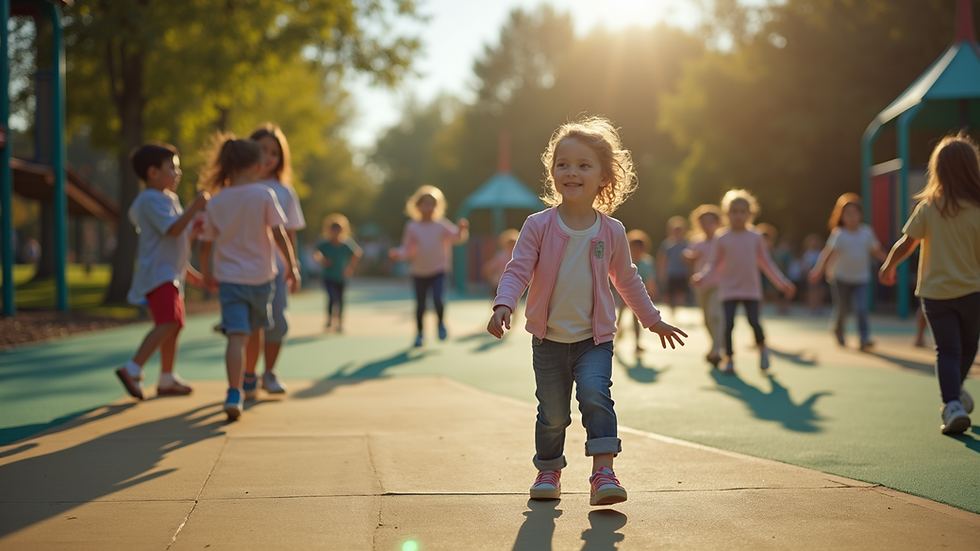
When children play outside, they are more likely to run, jump, climb, and engage in other forms of physical exercise. These activities not only strengthen their muscles and bones but also improve cardiovascular health.
Moreover, exposure to sunlight allows children to absorb vitamin D, which is crucial for bone health and immune function.
Incorporating outdoor play into a child's daily routine can lead to healthier habits that last a lifetime.
Cognitive Development
Outdoor play is not just about physical activity; it also plays a vital role in cognitive development. When children explore nature, they encounter new experiences that stimulate their curiosity and creativity.
Playing outside encourages problem-solving skills as children navigate their environment, whether they are figuring out how to climb a tree or building a fort from sticks and leaves.
These experiences foster critical thinking and decision-making abilities, which are essential for academic success and everyday life.
Additionally, outdoor play can enhance concentration and focus, as children are often more engaged and attentive when they are in a natural setting.
Emotional Well-being
The benefits of outdoor play extend to emotional health as well. Spending time in nature has been shown to reduce stress and anxiety in children.
The sights and sounds of the outdoors can have a calming effect, allowing children to unwind and recharge.
Moreover, outdoor play provides opportunities for children to express themselves freely, which can boost their self-esteem and confidence.
When children engage in imaginative play, they learn to navigate their emotions and develop resilience, essential skills for coping with life's challenges.

Social Skills Development
Outdoor play is a fantastic way for children to develop social skills. When children play together outside, they learn to communicate, cooperate, and resolve conflicts.
Group activities, such as team sports or cooperative games, teach children the importance of teamwork and collaboration.
These interactions help children build friendships and develop empathy, as they learn to understand and respect the feelings of others.
Furthermore, outdoor play often involves unstructured time, allowing children to create their own games and rules, which fosters creativity and negotiation skills.
Connection to Nature
In an age where technology dominates our lives, outdoor play offers children a chance to connect with nature. This connection is vital for fostering an appreciation for the environment and understanding the importance of conservation.
When children spend time outdoors, they develop a sense of wonder and curiosity about the natural world.
This connection can lead to a lifelong commitment to protecting the environment and promoting sustainability.
Encouraging outdoor play can help instill values that will benefit not only the children but also the planet for generations to come.
Encouraging Outdoor Play
As parents and caregivers, it is essential to create an environment that encourages outdoor play. Here are some practical tips to help facilitate this:
Designate Outdoor Time: Set aside specific times each day for outdoor play, whether it's after school or on weekends.
Limit Screen Time: Encourage children to unplug from electronic devices and engage with the world around them.
Explore Local Parks: Take advantage of local parks, nature trails, and playgrounds to provide diverse outdoor experiences.
Organize Outdoor Activities: Plan family outings that involve outdoor activities, such as hiking, biking, or picnicking.
Lead by Example: Show your enthusiasm for outdoor play by participating in activities with your children.
By actively promoting outdoor play, you can help your children reap the numerous benefits it offers.
Conclusion
In conclusion, outdoor play is an essential component of a child's development, offering a myriad of benefits that contribute to their physical, cognitive, emotional, and social well-being.
As we navigate the challenges of modern life, it is crucial to prioritize outdoor play and create opportunities for children to explore, learn, and grow in nature.
By fostering a love for the outdoors, we can help our children develop into healthy, well-rounded individuals who appreciate the beauty of the world around them.
So, let’s encourage our children to step outside, embrace the wonders of nature, and enjoy the incredible benefits of outdoor play!


Comments